
CARDIAC ANAESTHESIA
RESEARCH ACCELERATOR
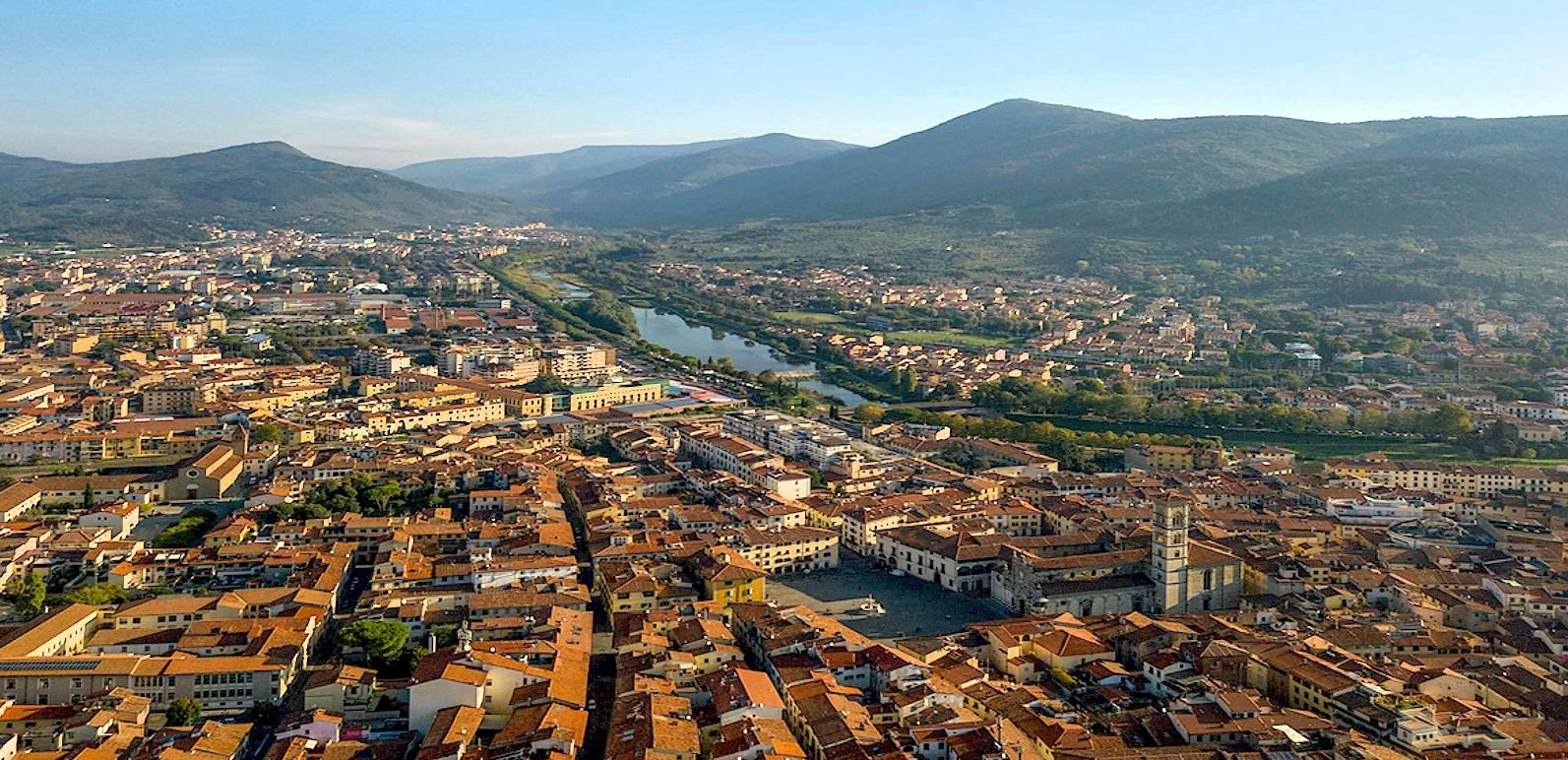
Prato, Italy
21-25 June, 2027
About CARA
Applications for Smith Scholarships to attend CARA 2027 are open.
What is CARA?
The Cardiac Anaesthesia Research Accelerator (CARA) is a comprehensive educational program purpose-built to catalyse the research careers of the next generation of anaesthetic research leaders.
Over a 5-day immersive research retreat, attendees will work alongside each other, mentors, statisticians, and senior researchers to complete a range of exciting research projects in cardiac anaesthesia, perioperative medicine, and critical care.
Who is CARA for?
CARA is aimed at consultants, registrars, junior doctors, and medical students at all levels who want to learn statistical programming and conduct high quality perioperative medicine research within cardiac anaesthesia, perioperative medicine, and critical care.
Smith Scholars will receive a $4,000 academic bursary to cover their travel costs.
Where is CARA being held?
Attendees (including 7 Smith Scholars and 3 consultants, CARA facilitators, and 2 dedicated statisticians with special guest Dr Noah Greifer flying from Harvard University) will gather at Monash University’s campus in Prato, Italy. The Palazzo Vaj is a heritage-listed 18th century palace in the town’s historical centre.
When is CARA?
The in-person component to CARA is from June 20 - 25, 2027. Attendees will also be required to join a commencement/social event at the Victorian Heart Hospital in September 2026, participate in monthly project planning and statisics workshops leading up to the event, and see their projects to completion after the event. About 50% of the time and work commitment is expected to occur at the main event, but some high-intensity work should be expected before and after.
How do CARA projects work?
Each attendee will take the lead on their own project and be first author. CARA projects will draw on sophisticated databases and use advanced causal inference models, natural language processing, or machine learning to answer important research questions. We work with a range of senior academics in anaesthesia, intensive care, and cardiac surgery to brainstorm impactful project ideas and conduct due diligence on the feasibility and publishability of all projects. We will attempt to allocate your project based on your area of interest and skillset.
What is the collaborative model?
We pride ourselves on having a collaborative spirit, a flat heirarchy, and a modern approach to ‘hive mentoring’. Our highest goal is to provide students with a nurturing, supportive, and fun learning environment so they can succeed and grow as researchers. You will also love our ‘communist’ authorship policy (see FAQ below). What does that mean? All CARA projects will have an attendee first author. All CARA attendees will have the opportunity to meet ICJME criteria and co-author at least 1 other CARA project. We want you all to walk away from CARA with an accelerated research track-record and the tools and network you need to continue to expand your research portfolio.
Please consider the significant time and energy commitment when applying. While we expect you will get several publications, you will need to work hard for them. Attendees will be expected to fulfil pre-event responsibilities, attend CARA in full, finalise manuscript preparations, and respond to editorial and peer-review comments in a timely fashion during the submission process.
Why should I apply?
1. Expert-Led Workshops: CARA features workshops led by leading researchers and a Harvard statistician. Gain valuable insights, learn new methodologies, and enhance your skillset under the guidance of experts.
2. Networking Opportunities: Connect with peers and cultivate professional relationships that can open doors for collaboration and career advancement. Share ideas, discuss challenges, and build a supportive network within the CARA alumni community.
3. Inspiring Environment: Echange your usual work environment for the historic surrounds of the Monash University Prato Centre. Set in the heart of Tuscany, the campus provides an inspiring academic setting for focused thinking, creative work, meaningful collaboration, and rejuvenation.
4. Personal Growth: Take this opportunity to reflect on your own research journey, set new goals, and ignite your passion for making meaningful contributions to anaesthetic research.
5. Access to Resources: Gain access to valuable resources, tools, and information that will empower you to tackle research challenges with confidence and innovation.
6. Tangible Benefits: Walk away from CARA with a big smile on your face and your pockets stuffed full of high-impact publications.
7. Prizes: Student attendees are all eligible for the Smith Scholarship, and have the chance to compete for the Bellomo Prize and the Silvers Medal. See ‘FAQ - Scholarships and Prizes’ below.
Who is behind CARA?
Read about our event team here.
FAQ
-
20-25 June, 2027
-
Prato, Italy
-
7 students under Smith Scholarships
3 consultants under our CME program
2-3 CARA facilitators
2 dedicated statisticians
Guest speakers
-
Consultants: $5,000 under our CME/CPD program
Registrars: $3,000 (a 50% subsidy)
Residents: $1,000 (a 50% subsidy)
Medical Students: fully subsidised attendance registration
-
The event will have a professional and collegial environment, focused on getting work done and learning while we push towards our common goals. We have a flat heirarchy and believe everyone to be equally capable of making intellectual and strategic contributions to our projects. We also believe it takes a village, so we have developed a unique hive mentoring approach. We value inclusion and diversity and welcome all-comers. CARA is above all meant to be fun and rewarding; you can take time to wander the historic streets of Prato, enjoy Tuscan food and coffee, visit local galleries and piazzas, or take the train to nearby Florence for art, architecture and a proper dose of Renaissance inspiration.
Event Details
-
• Learn statistical programming in R
• Learn how to pre-process and subset data using Google BigQuery and SQL
• Learn how to perform advanced casual inference methods such as entropy balancing, cardinality matching, and Darwinian matching and apply these methods on your own project
• Complete a project in cardiac anaesthesia as first author and assist members of your team to complete their projects as co-author
• Optimise manuscript preparation and publication
-
• Monthly 1:1 or small group project-based tutorials on causal inference and statistical programming by Harvard statistician Dr Noah Greifer from September 2026.
• Research project idea development – each attendee may conceive their own project within our theme or be allocated a project by our team
• Facilitated access to sophisticated databases
• Assistance with ethics and governance approvals where required
• Five-day intensive in Prato, Italy
• Post-event education, mentoring, and publication support
-
All attendees must meet ICJME Criteria for authorship on all projects they participate in as co-authors.
All projects will have an attendee first author.
Attendees who complete their lead project to a high standard and in a timely manner may be invited to collaborate on and co-author one or more other projects
Out of fairness, attendees who do not progress their own projects in good faith and in a timely manner will not be invited to collaborate on additional projects.
If your lead project falls through due to no fault of your own you may still be invited to collaborate as co-author on other projects.
-
We are currently in stealth mode on this for obvious reasons.
We work with a diverse range of senior academics in cardiac anaesthesia, cardiac surgery, and intensive care medicine to brainstorm high impact and novel ideas. All project concepts then undergo extensive due diligence by the CARA team to ensure they are feasibile and publishable. This minimises the chance of a ‘dud’ project. We have a range of backup projects to pivot to should unexpected difficulties arise with any individual project.
-
CARA is designed to meet the guidance on Continuing Professional Development by ANZCA (Ver 3.0, Nov 2022).
This program is also designed to meet the requirements for Continuing Medical Education expenditure and our early adopters have already had CARA approved and reimbursed by their hospital.
We will provide assistance with both CME/CPD to consultant attendees.
Education and Projects
-
Attendees must arrange their own international travel to Prato, Italy. Instructions on how to get there are detailed on the Monash University page.
-
A range of affordable accommodation options are available near the venue. Attendees must organise their own accommodation.
-
No. To be able to fully contribute to and participate in the event, all attendees are required to attend the full event and commit to being free from distractions while at CARA.
-
Yes. A daily breakfast and lunch are provided, as well as coffee and tea stations. A catered Welcome Reception on the Terrace will be held on June 21st.
-
Absolutely! We will do everything in our power to help you succeed at CARA by helping with any special requirements you may have e.g. quiet workspace for those with sensory issues, accessibility for those with mobility constraints, etc. Just let us know how we can best assist.
Logistics
-
Description: this Scholarship honours Professor Julian Smith, a senior Cardiac Surgeon widely known as an incredible supporter and academic mentor to many. Prof Smith has supported our events since CARA was at concept phase, helping to keep it free for students. Through an educational grant from the Department of Surgery, Monash University, Prof Smith is generously helping to subsidise the attendance registration for all students so that their financial background does not affect their ability to attend.
Criteria: awarded to all medical students successful in their application to CARA 2027.
Value: $10,600 overall value (including a travel bursary of $4,000 and fully subsidised attendance registration).
-
Description: The Bellomo Prize honours the late Professor Rinaldo Bellomo AO, who sadly passed away on 6th May, 2025. Rinaldo was a passionate supporter of CARA from its inception and was a mentor to many of our students. Those who were lucky enough to work with ‘the Maestro’ just once, and experience his manic passion for research, wild and irreverent sense of humour, political savvy, and generous collaborative nature were impressed upon for life and cured of all cynicism. Despite being the most published researcher in Australian medical history, and despite having had more oars in the water than there are grains of sand on the riverbank, Prof Bellomo played an incredibly active role in all of our past projects and was an invaluable resource for our attendees. We miss and love you, mate.
Criteria: The Bellomo Prize is awarded to the student who produces the highest quality and most complete work at the event. Additional consideration is given for grit, determination, and collaborative spirit.
Value: $500 cash prize.
-
Description: The Silvers Medal is CARA’s runner-up prize. Named after A/Prof Andrew Silvers, the Golden Retriever of Department Heads, the Silvers Medal rightly takes into account non-clinical soft skills like personability, teamwork, communication, and general ‘good vibes’. We’re interested in people who are a pleasure to work with and who will look after their colleagues and workspace.
Criteria: awarded to the student with the best interpersonal skills and positive attitude while maintaining a high standard of academic work.
Value: $300
Scholarships and Prizes
-
Selection Criteria:
CV (60%)
Application responses (20%)
Interview (20%)
Essential:
Australian or New Zealand medical student
Able to fully commit to CARA
Highly Desirable:
Research experience
Quantitative background (e.g. engineering, undergrad maths, comp sci, MPH/statistics qualification)
Leadership experience/ professional experience
Highly productive in any capacity (either research, leadership, sports, working alongside studying, etc.)
Academic performance
Please note, your accomplishments are scaled relative to opportunity (e.g. the number of years you have had in medical school is taken into account so that MD1’s are not disadvantaged.)
Please note, if you have none of the above desirable experiences, that does not mean you won’t be successful! You just need to impress us in some other way.
Have questions about your suitability? Feel free to email luke: luke.perry(at)monashl(dot)edu
-
Yes!
We purposefully provide offers to students with a range of experience in research.
For students without prior research experience or a quantitative background, we will teach you what you need to know.
-
Absolutely!
While we expect CARA to naturally attract aspiring anaesthetists, we do not factor in future specialty goals into selection. Our past students have gone onto careers in opthalmology, cardiac surgery, orthopaedics, and more. We strongly believe that any research experience is good research experience and that CARA is a phenomenal opportunity for future clinician-scientists regardless of their clinical interest.
We’ll even accept points-hungry surg gunners.
-
Diverse teams perform better and you are welcome regardless of your background. We have a highly inclusive culture and act as one big team.
We have maintained at least 50% female representation with prior CARA events and will continue to do so with CARA 2027.
Student Selection
Trident 2019 Rundown
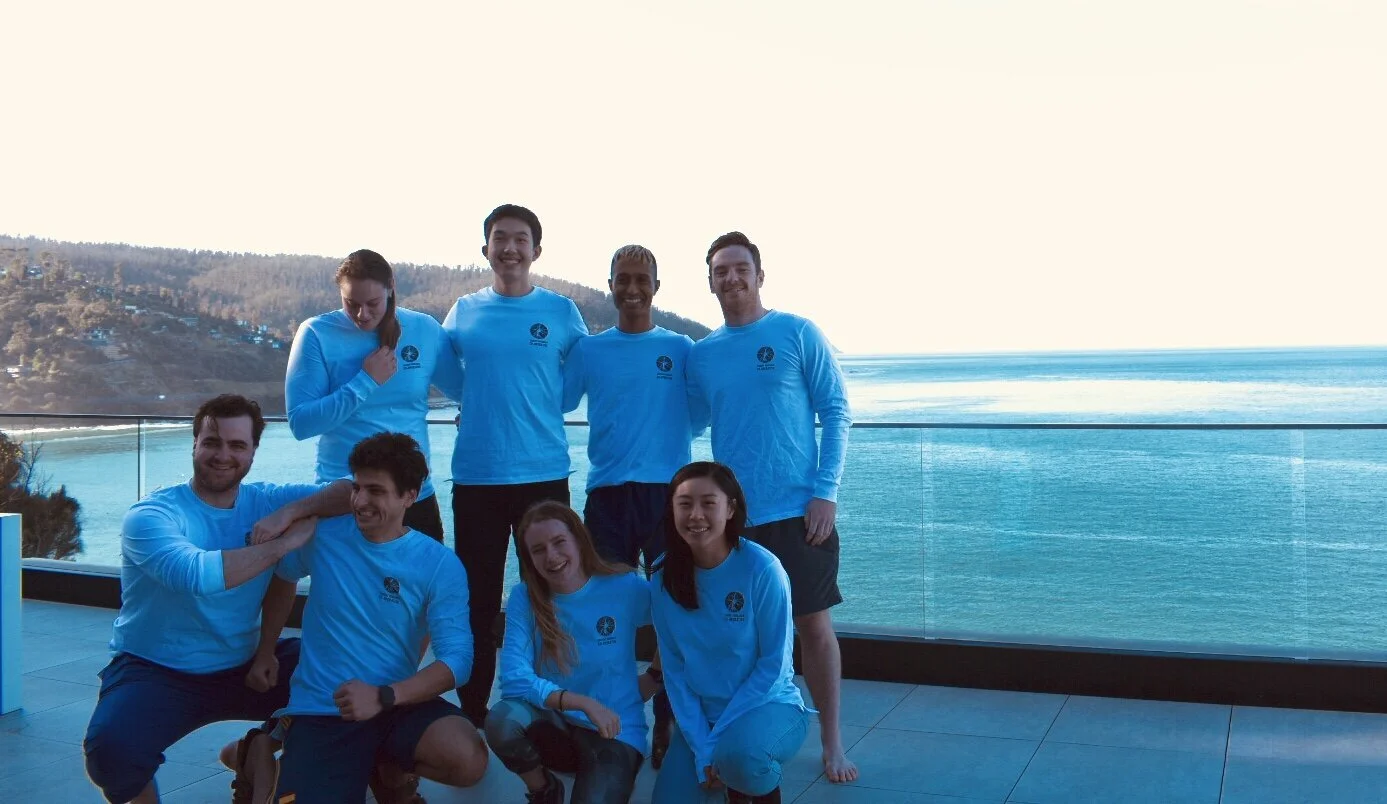
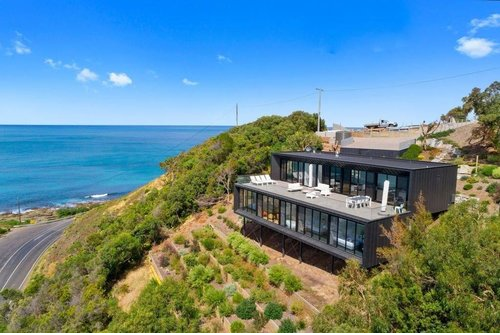
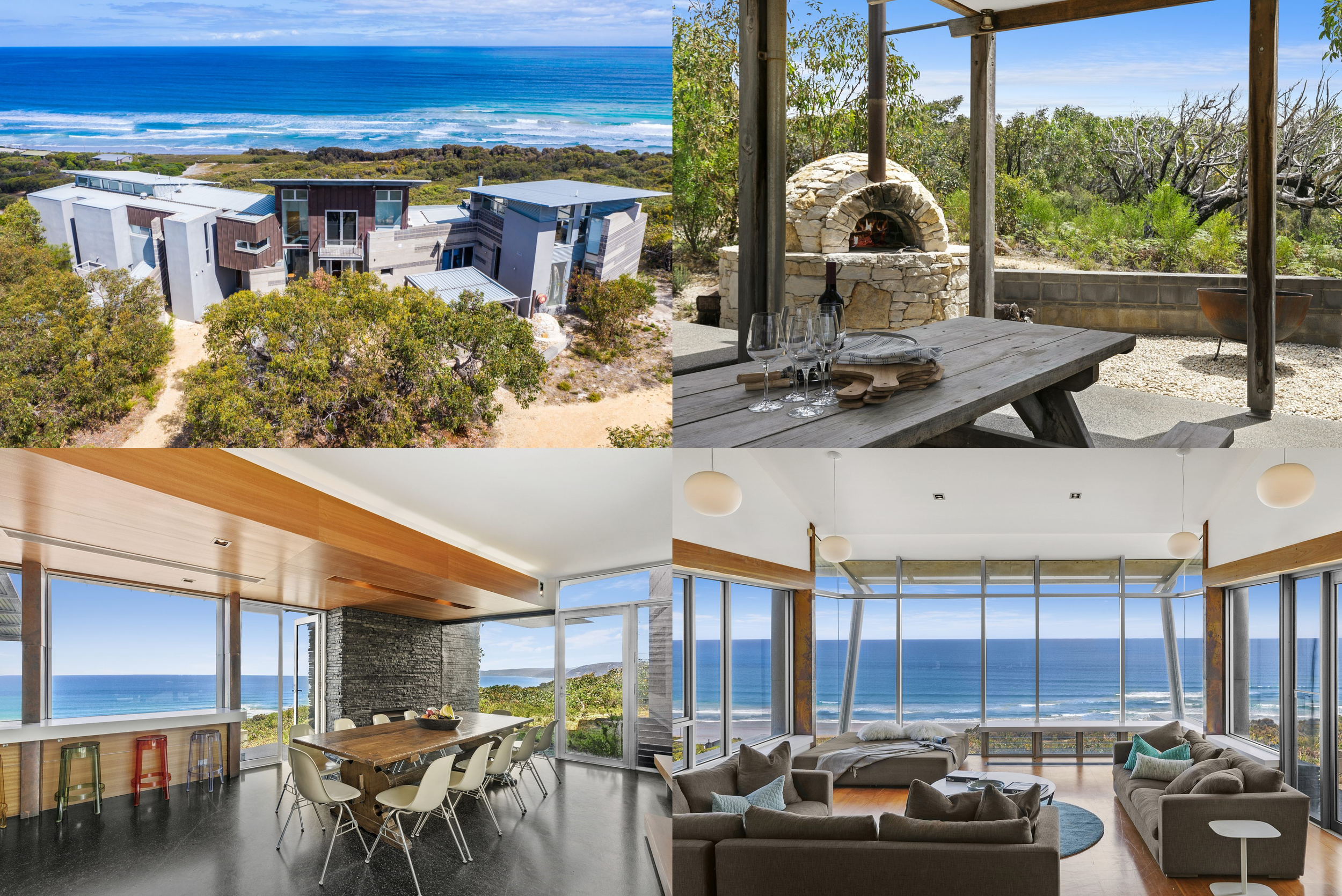
Before there was CARA, there was Trident. Our inaugural Intensive was held in June 2019 and the theme was ‘Perioperative Medicine’. The event was a resounding success thanks to the hard work of our students (thanks Daniel, Jackie, Ryan, Carla, and Sarah!) and our supporters at Cochrane Australia and Covidence. Attendees completed 6 systematic review and meta-analysis projects over a 4-day immersive experience at an architecturally-designed compound overlooking the Great Ocean Road.
-
Our inaugural Intensive was held in June, 2019. Below is the unedited feedback we received from the student attendees, and the reason we are continuing with our Intensives. Thanks to Daniel, Carla, Ryan, Jackie, and Sarah for all the hard work and making the event an incredibly fun and productive environment!
“Application: The application process was triphasic and consisted of a cover letter + resume + short interview. Obviously a little work and a lot of thought was required in crafting the best possible application, but it was a great opportunity for self-reflection and Luke made the whole process incredibly easy and efficient.
Quality of event: 11/10. Whatever expectations I had of Trident's inaugural research intensive prior to commencement, they were blown completely out of the water. All aspects were quite frankly unmatched in quality, and I would do it all again in the blink of an eye and hope to do so in the future! The accommodation was idyllic and luxurious; the supervision was unbelievably supportive and offered some of the best attention to detail I've see from any supervisor; the fellow attendees who had been selected were both amazing people as well as driven researchers, and after just a short 4 days, it felt almost like family. Trident was incredibly thoughtful to offer scholarships for medical students to make this possible regardless of financial situation, and for this I am incredibly grateful.
Post event support/publication: Support did not end after the intensive ended - it continued through the entire publication process - manuscript drafting, submission, revisions, resubmissions etc in bountiful amounts. Trident considerately anticipated and met all needs to provide a publication experience which was truly encouraging and inspiring.”
-Daniel, 2nd year medical student (Melbourne)
Being a part of Trident Research Cooperative’s Inaugural research intensive was a fantastic experience. I had the freedom to tackle the research project how I wished to, in an amazingly nurtured and friendly environment. The five days we spent together were productive, stimulating and fun. The team is synergistic and supportive of one another, which makes no obstacle insurmountable, and free time spent together entertaining. Attendees all had different levels of research experience, and as one of the members with less experience, I was not seen as less capable, but rather encouraged to draw on the skills and knowledge of others. Ultimately I was able to build my own research skillset and produce an organic piece of research from start to finish, feeling supported the whole way- not just in the five days together, but in the lead up and follow on of the intensive. This experience will be invaluable moving forward into further research and a graduate medical job over the years to come.
-Sarah, 2nd year medical student (Melbourne)
“Trident Research Collective's intensive symposium was invaluable to me as a budding clinician-scientist, providing experiences in research unprecedented to myself thus far in my career. I was provided exposure to the complete process of manuscript writing including due diligence, the publication and peer review process. Myself and other candidates were fully supported before, during and after the intensive with our experience and learning tailored based on our previous exposure and interests. I was able to hone my strategic, practical and critical thinking skills under the support and guidance of Luke, Jahan and Dhru, taking ownership and creating invaluable leadership skills.
The intensive allowed for enhanced connections and well-informed, collaborative community, optimised for shared learning and rapid development.”
-Carla, final year medical student (Monash)
“The support and leadership from Luke, Jahan and Dhru made the Trident research intensive an unforgettable and invaluable experience. The effort they put into this event was clear from the outset and they were available to answer any of our questions at all times - before, during and after the event.
We all left the event with a new knowledge and thirst for research. I would highly encourage any future students to apply.”
-Ryan, final year medical student (UNSW)
“The Trident Research Intensive gave me the unique opportunity to take ownership of a project from inception all the way to manuscript submission, an experience that is rarely available to medical students. Moreover the Trident team - Luke, Jahan and Dhru - provided an extremely safe and supportive space where I was able to voice my opinions, ask for help and grow professionally as a researcher. Finally, the model of the intensive - 4 full days of data work and manuscript writing - was well thought out and enabled us to upskill quickly and streamlined the manuscript preparation process. An absolutely ingenious incentive to get motivated medical students involved in research early and sets us up for a future no matter which path we choose to take!”
-Jacqueline, final year medical student (Melbourne)
Trident 2019 Publications
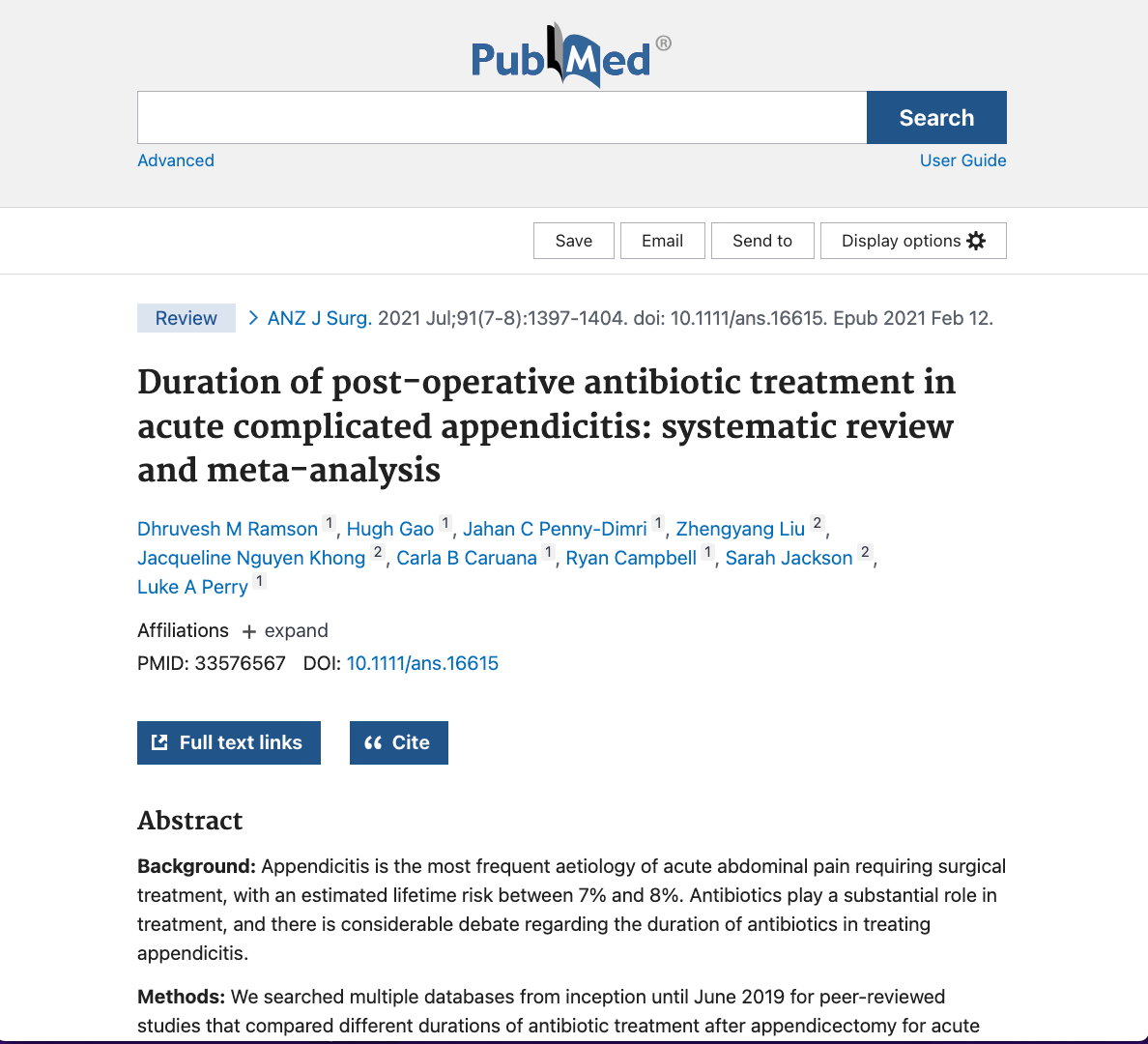
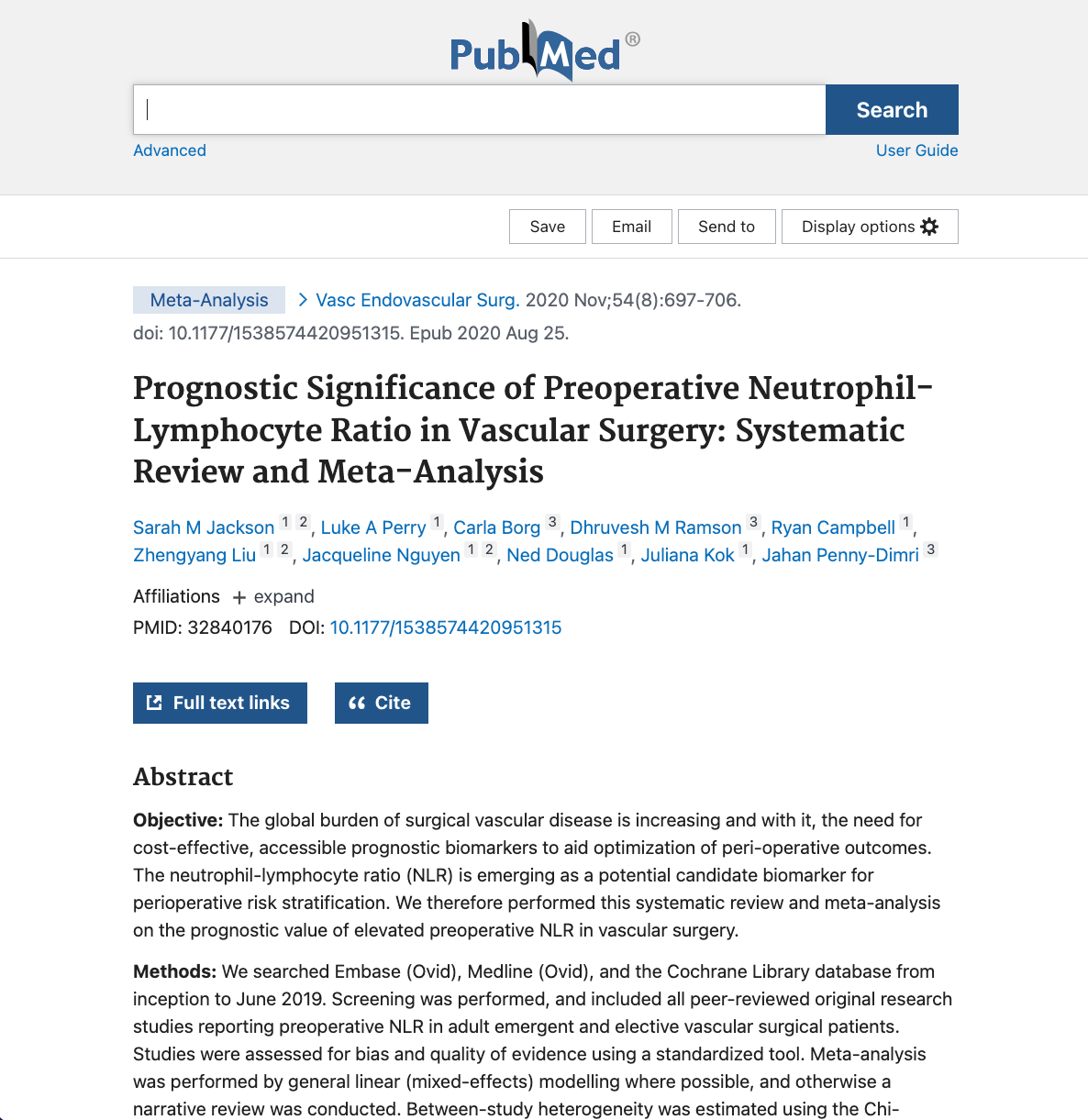
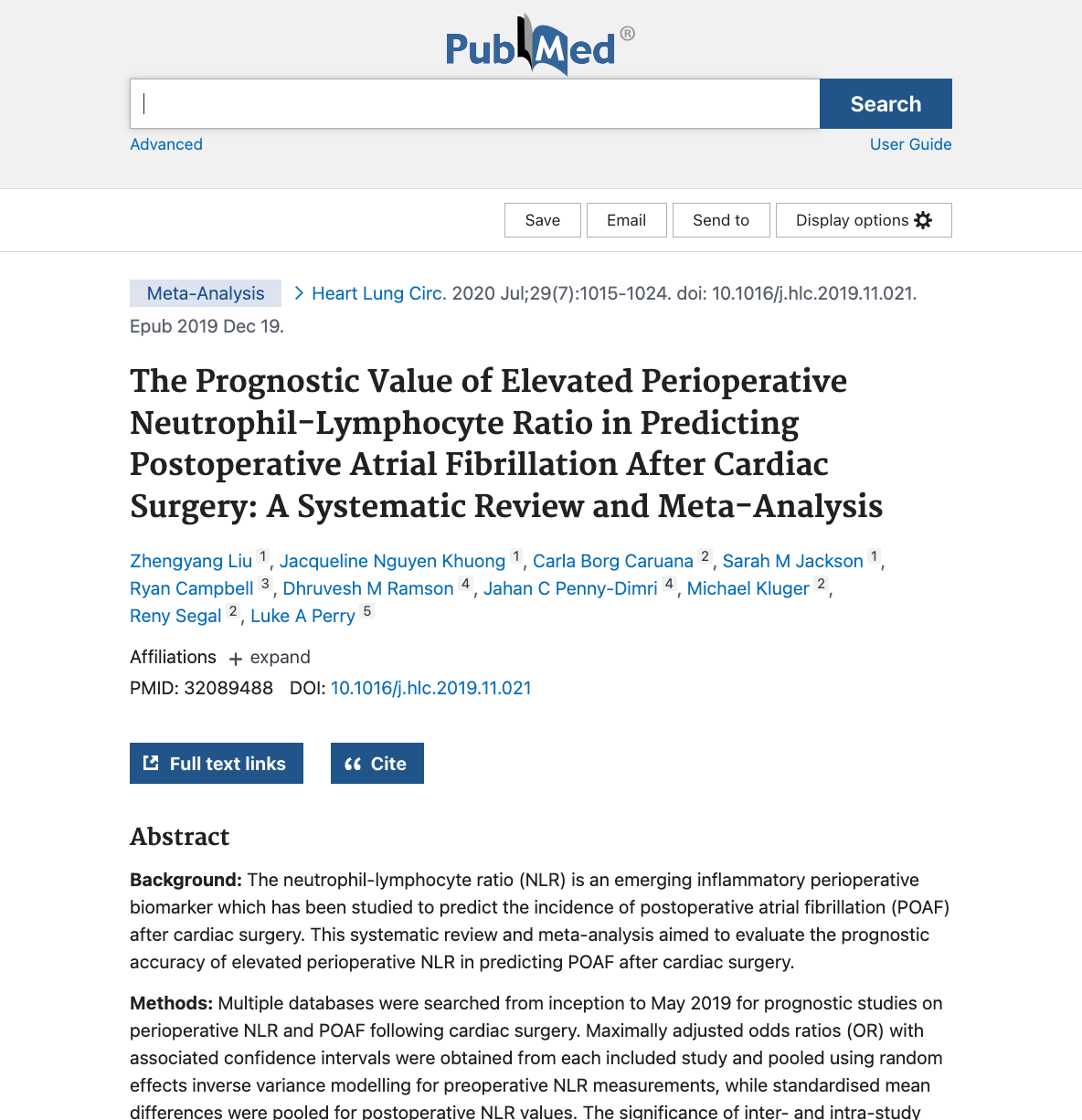
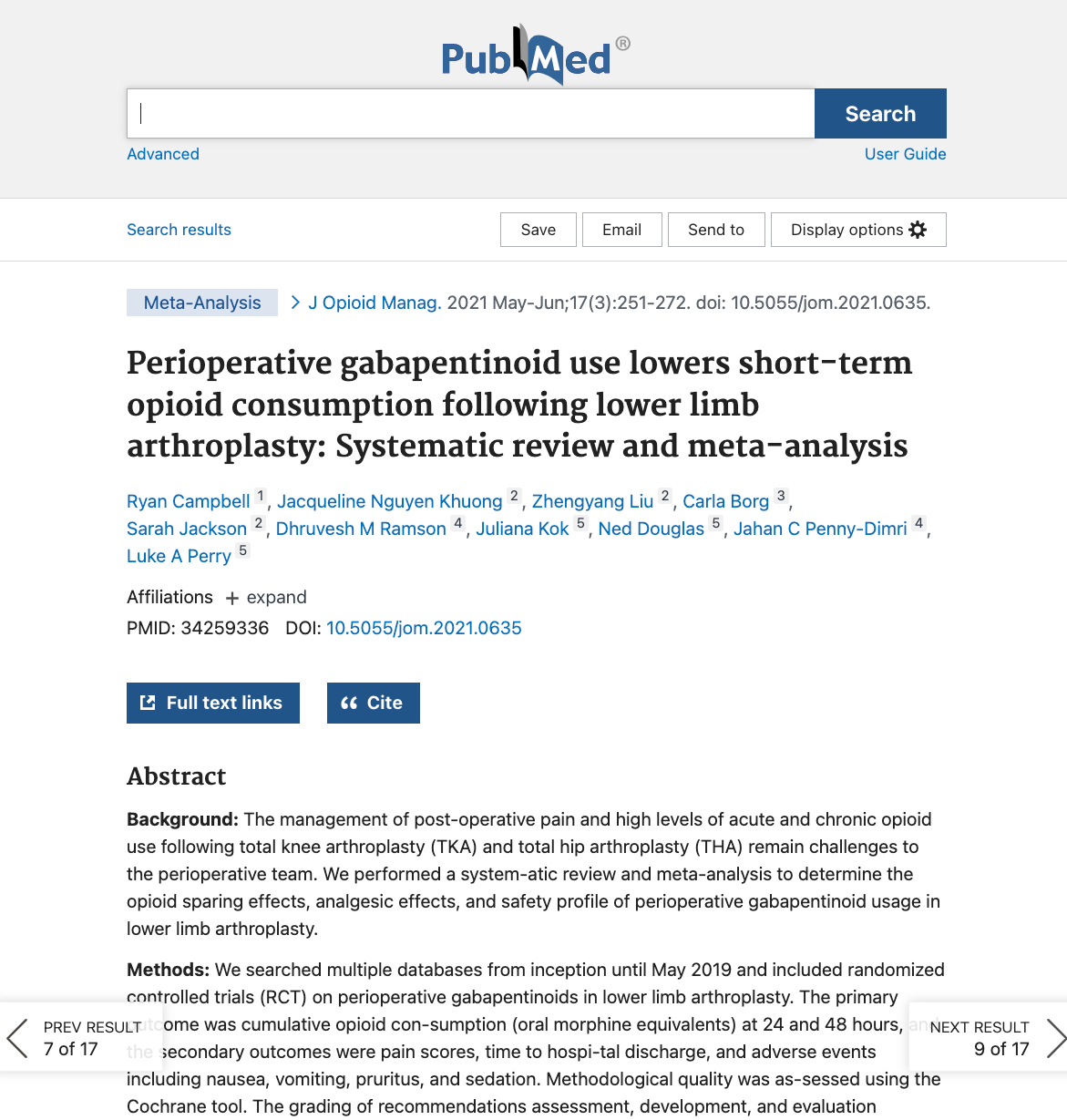
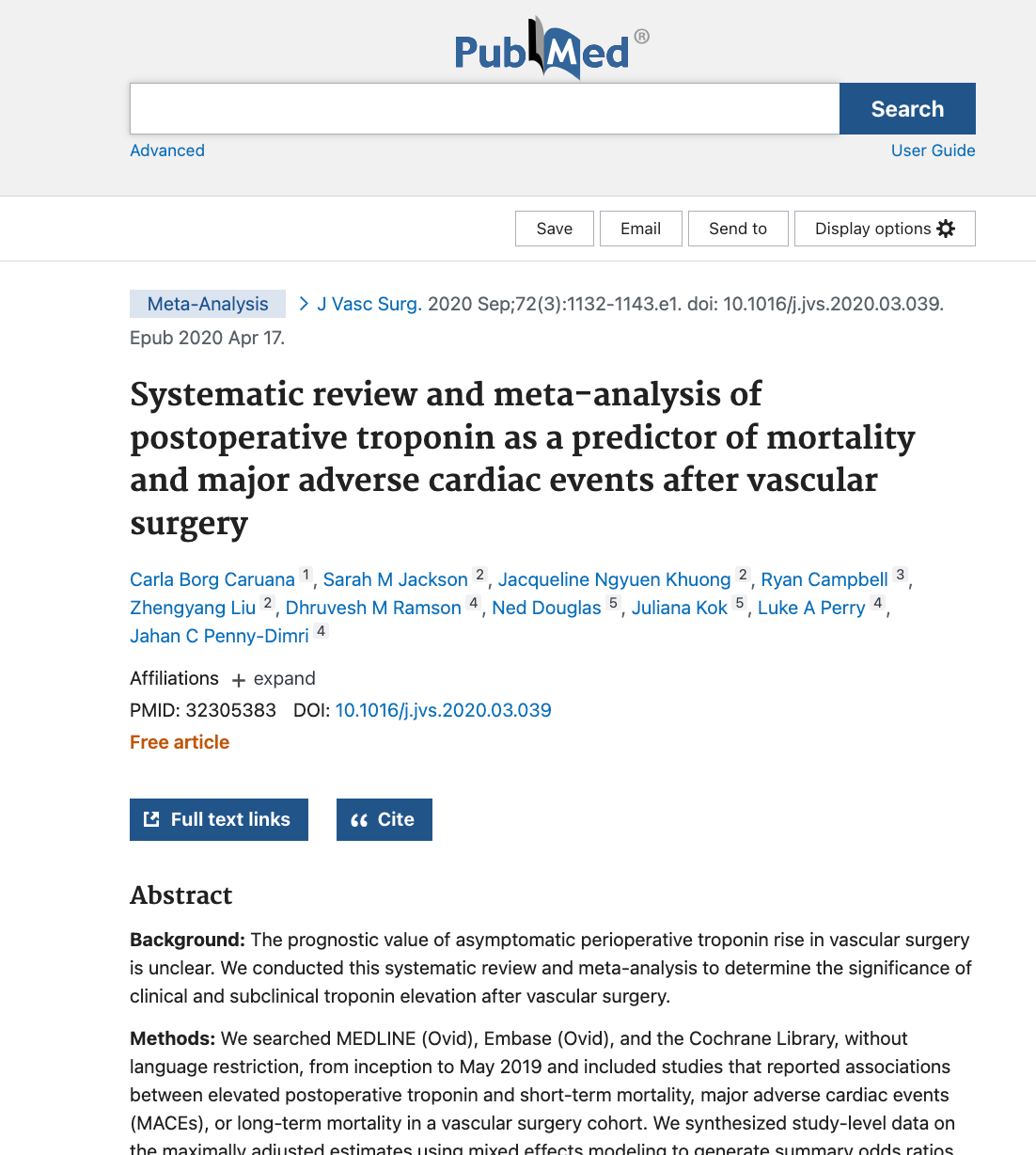
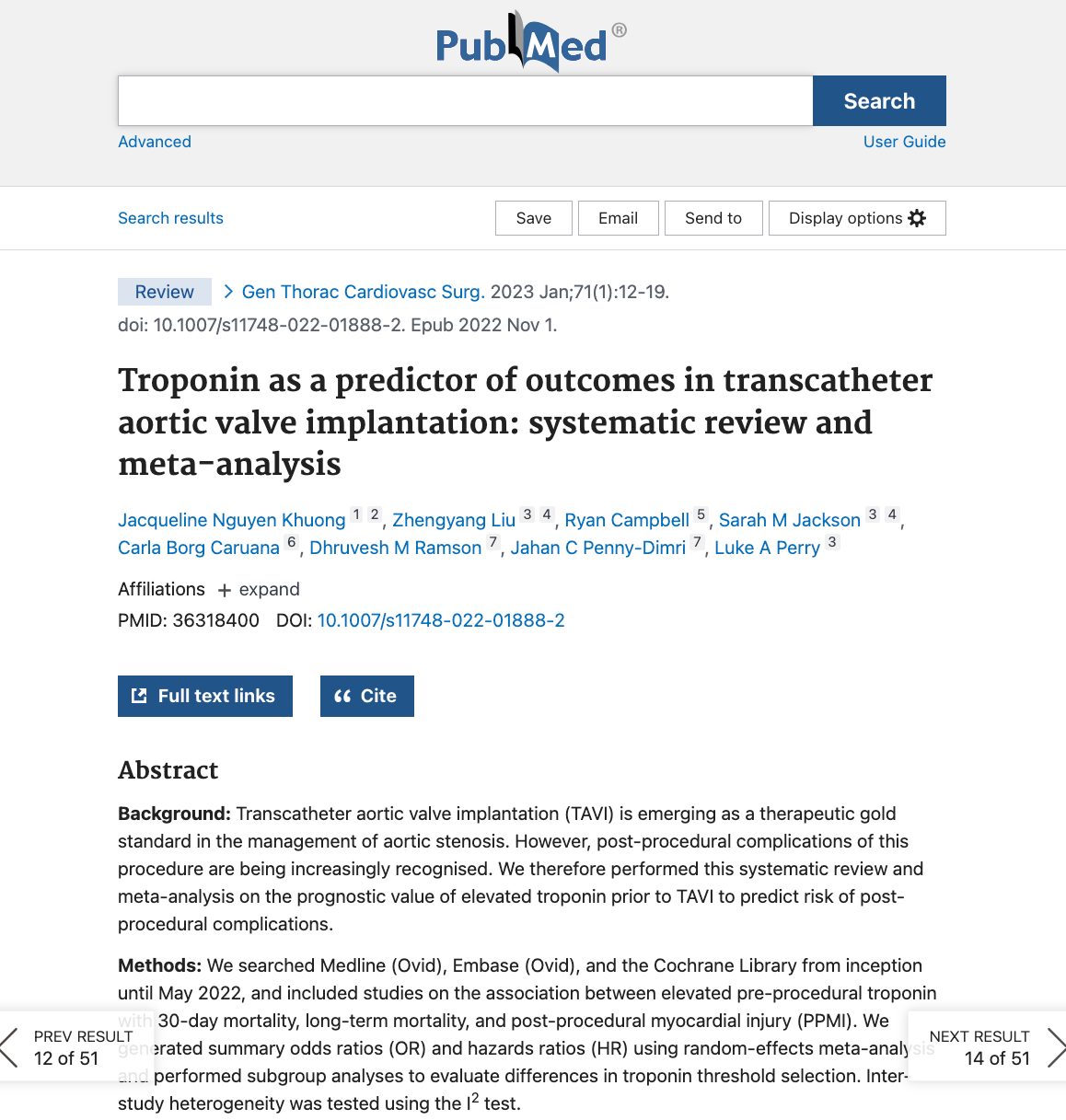
We are incredibly proud of our students for producing the following 6 publications in international peer-reviewed journals, leading to to a 100% publication rate. Scroll across the gallery below and click any that catch your interest to follow the link.
These articles have now been collectively cited over 110 times.
Trident 2021 Rundown
Trident II saw our success reach new heights. This time we expanded to 14 students and got an even more ridiculous venue thanks to support from Prof Julian Smith and his Department of Surgery. We were able to once again attract incredible talent with diverse backgrounds - including the past dux of Aerospace Engineering, a mechatronics engineer, students with a background in defense, a guy who got onto opthalmology as a PGY2, and several students with exceptional research and quantitative track records. Several of our students have already gone on to receive offers for training in anaesthesia, general surgery, and opthalmology.
We had visiting guest speakers Prof Rinaldo Bellomo and Prof Reny Segal. Prof Bellomo gave a talk on navigating the politics of research using comedy and principles from Machiavelli’s ‘the Prince’ and Prof Segal gave an inspiring talk on the future of healthcare. During the event, our group went on a day-trip to Erskine Falls, went for a swim in the ocean, played tennis, and explored the 70 acres of our venue.
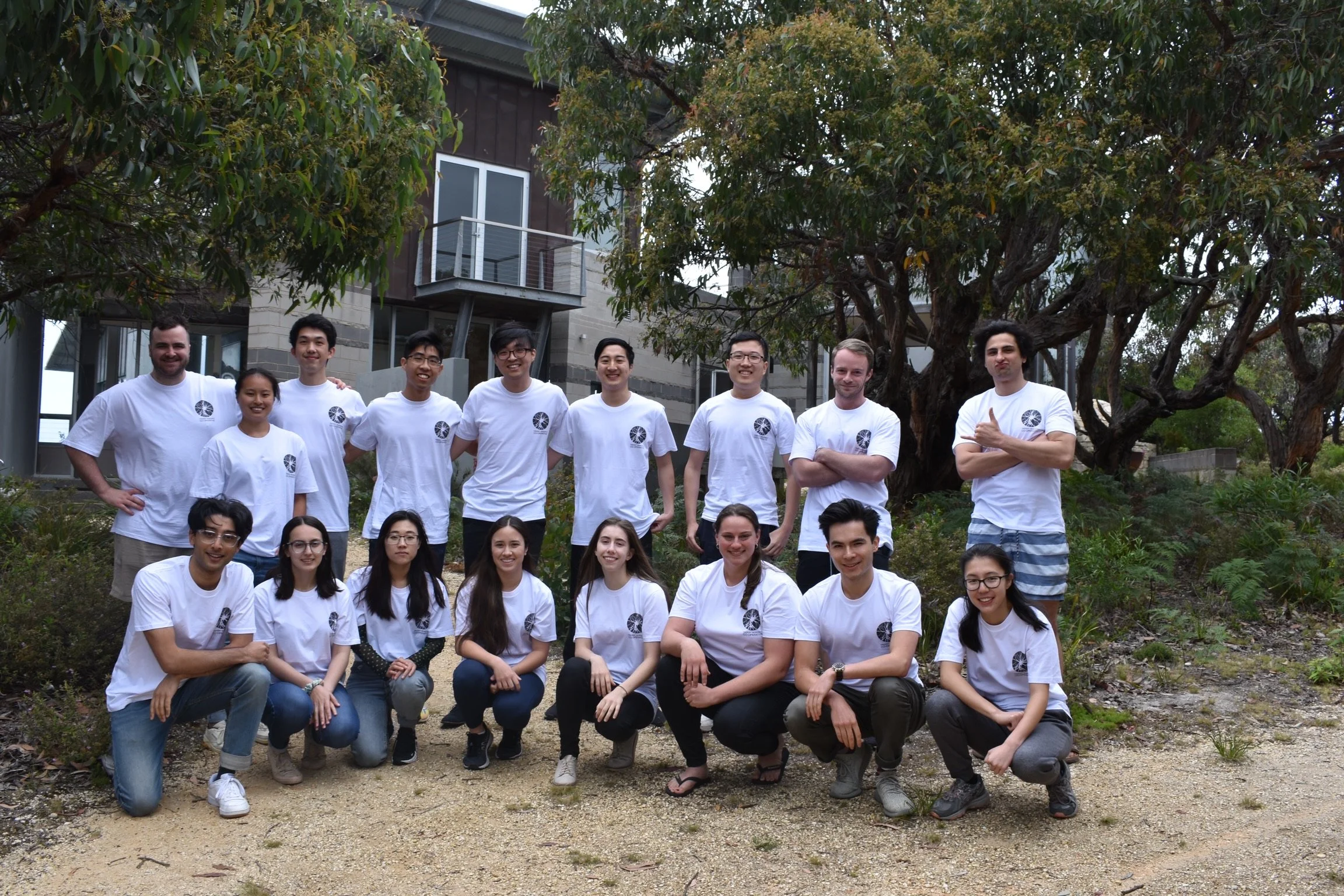
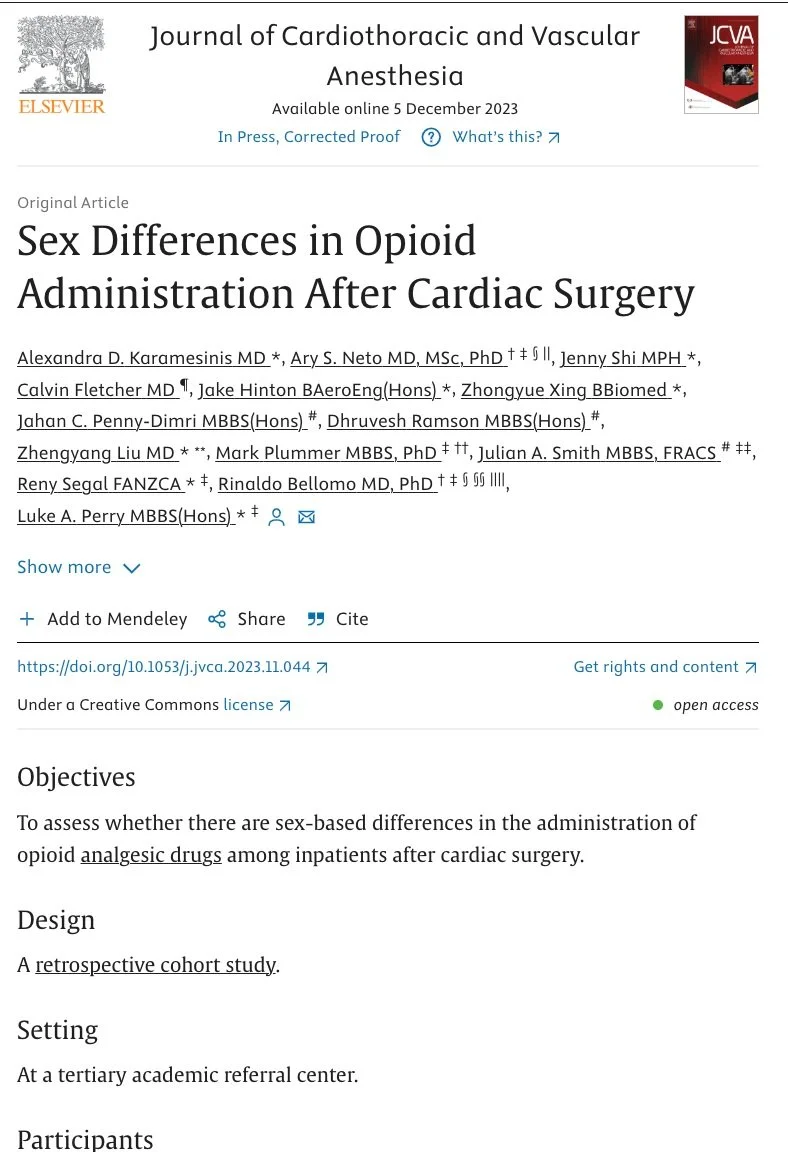
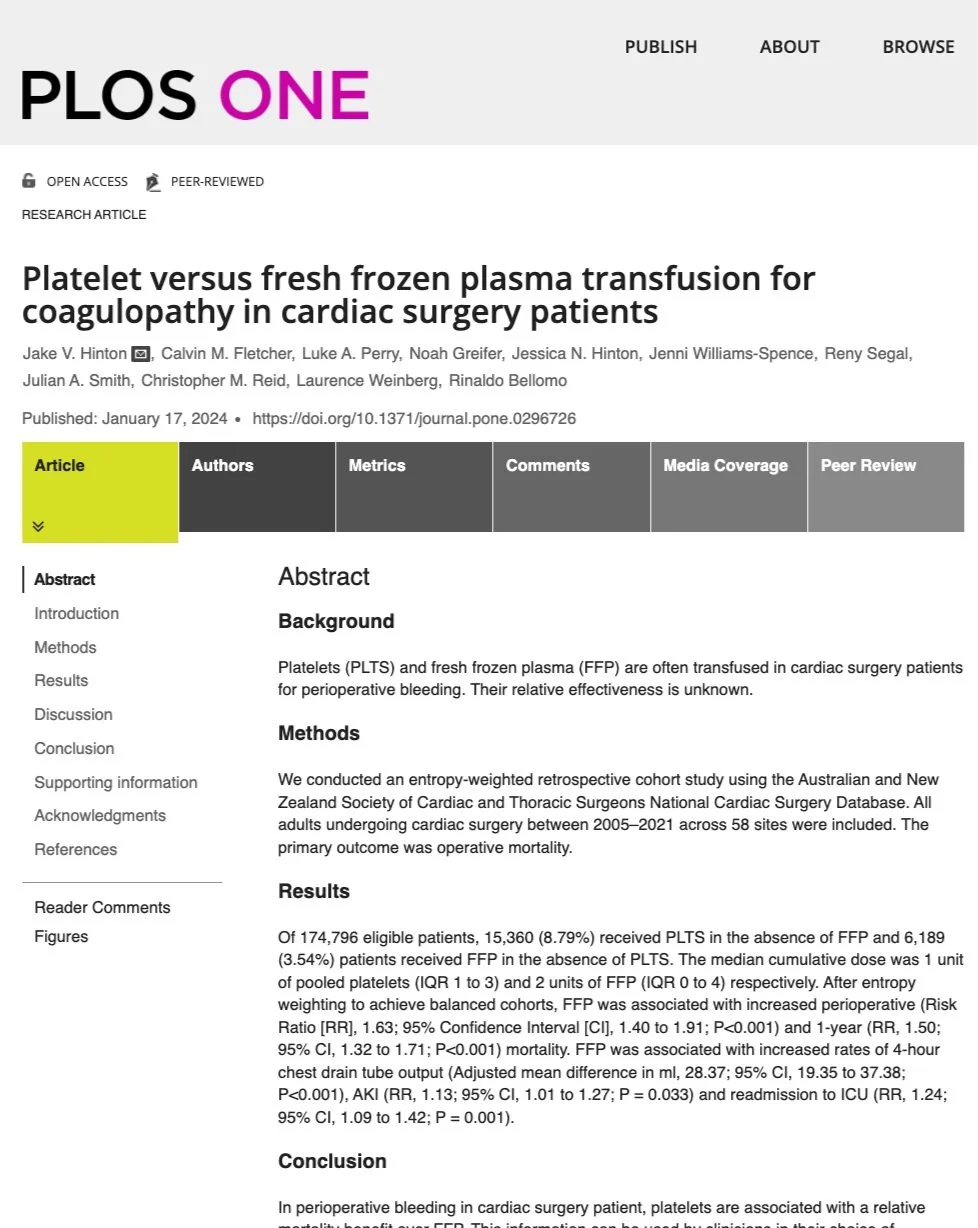
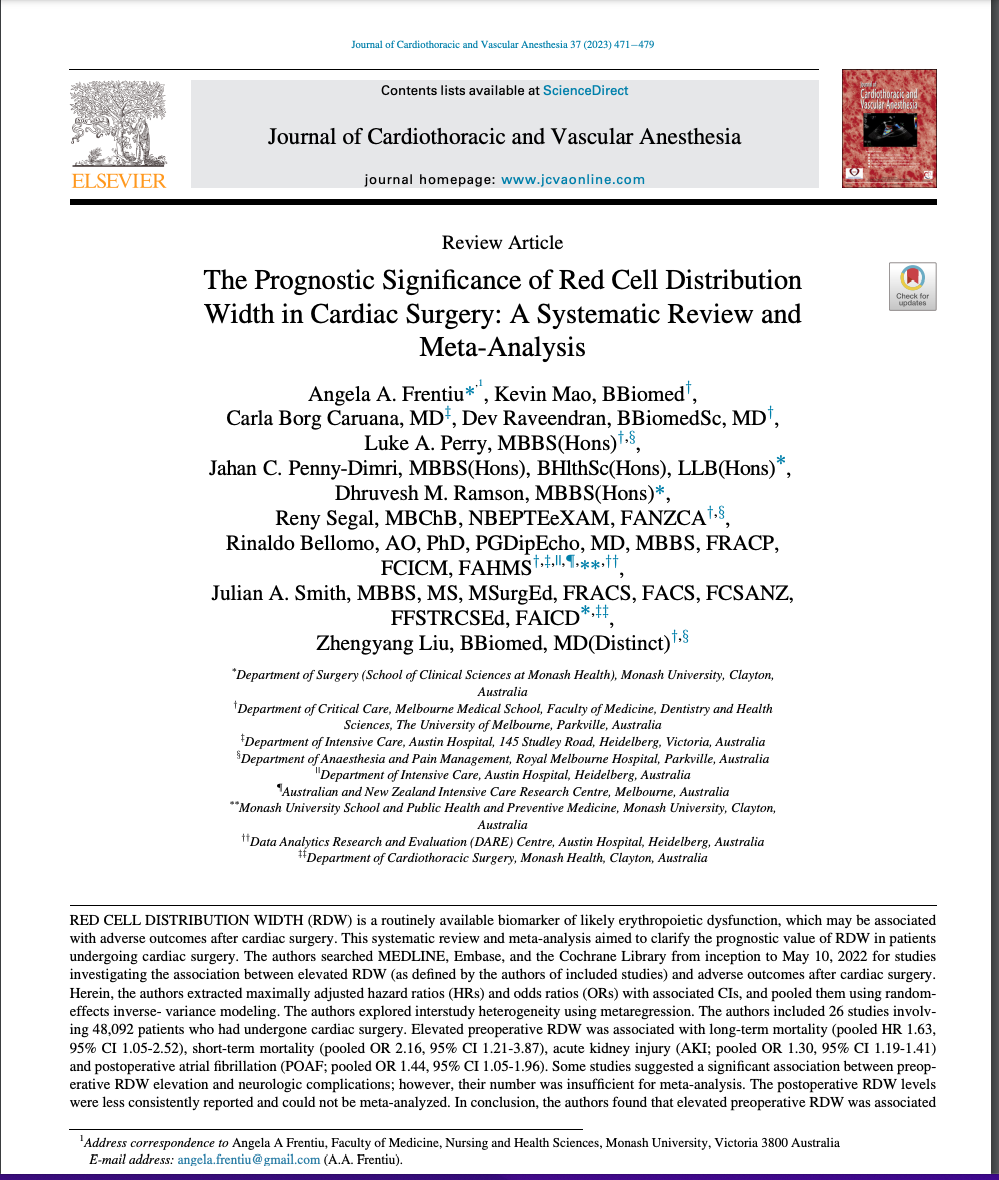
Our second event saw our research program shift towards higher impact original research projects with a combination of cohort studies, machine learning studies, and systematic reviews. Students were divided into four ‘clusters’ based on research type and received individualised technical and academic support. We had a cluster focused on cardiac anaesthesia which completed projects on blood transfusions, perioperative dysglycaemia, and gender’s influence on opioid prescribing; a machine learning cluster focusing on deep survival models; a general surgery cluster focusing on the ‘weekend effect’ in emergency laparotomy; and a systematic review cluster focusing on predictive biomarkers in cardiac surgery.
Trident 2021 Publications
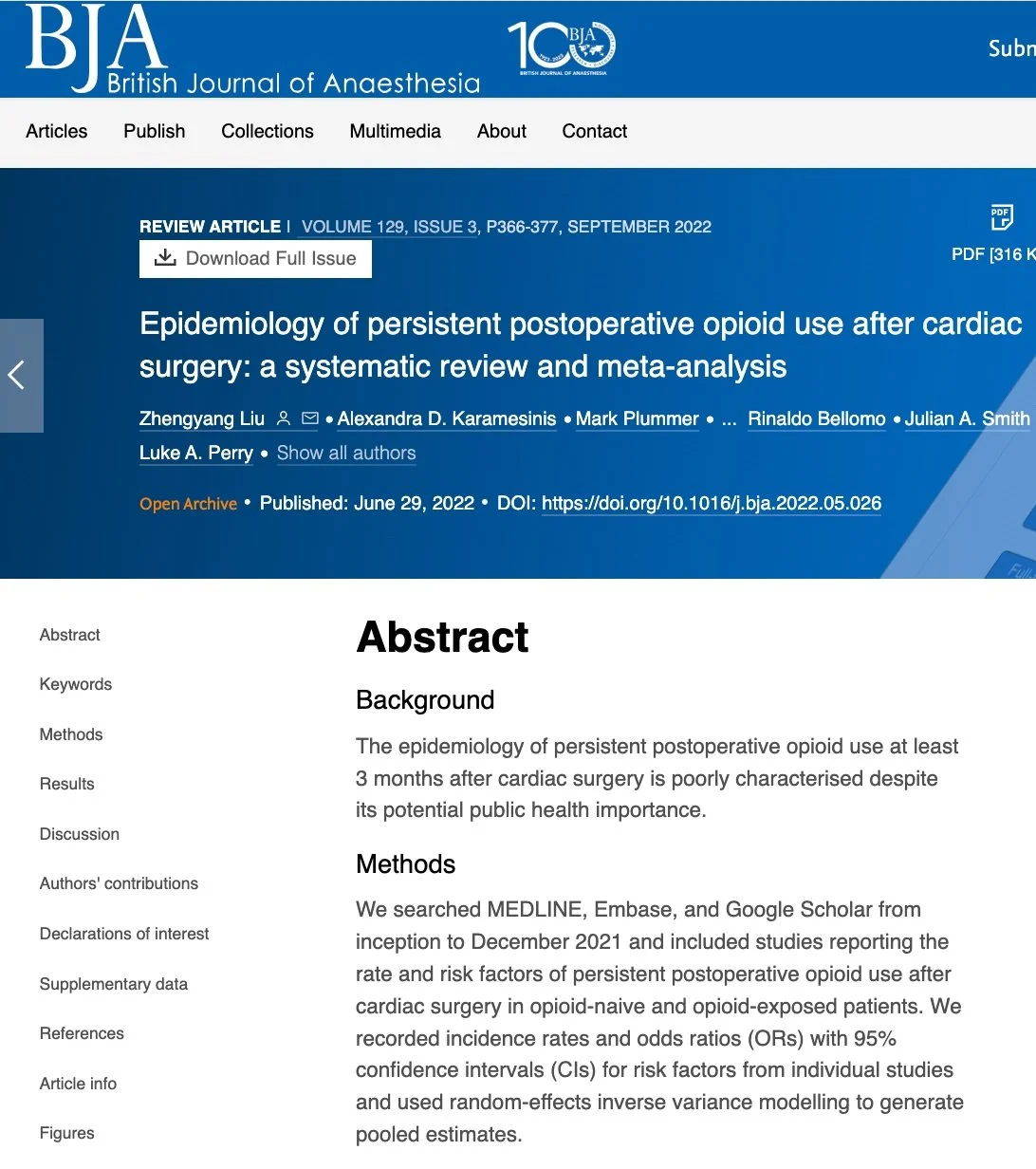
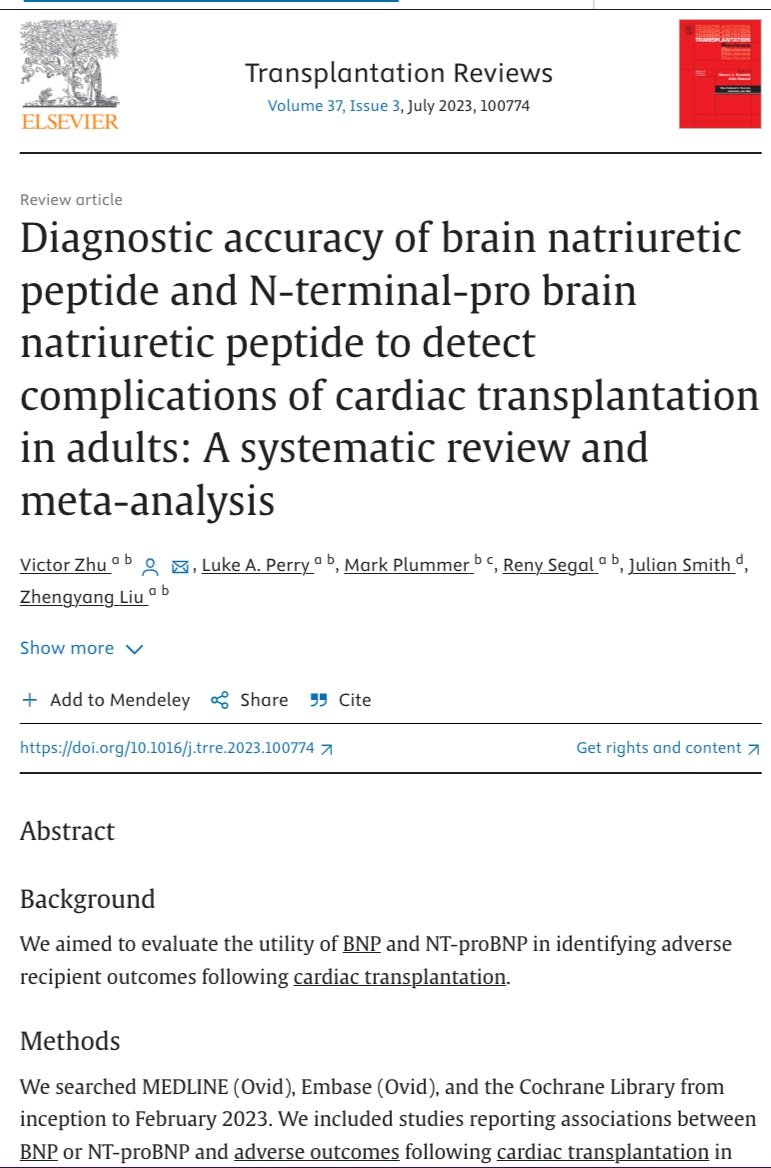
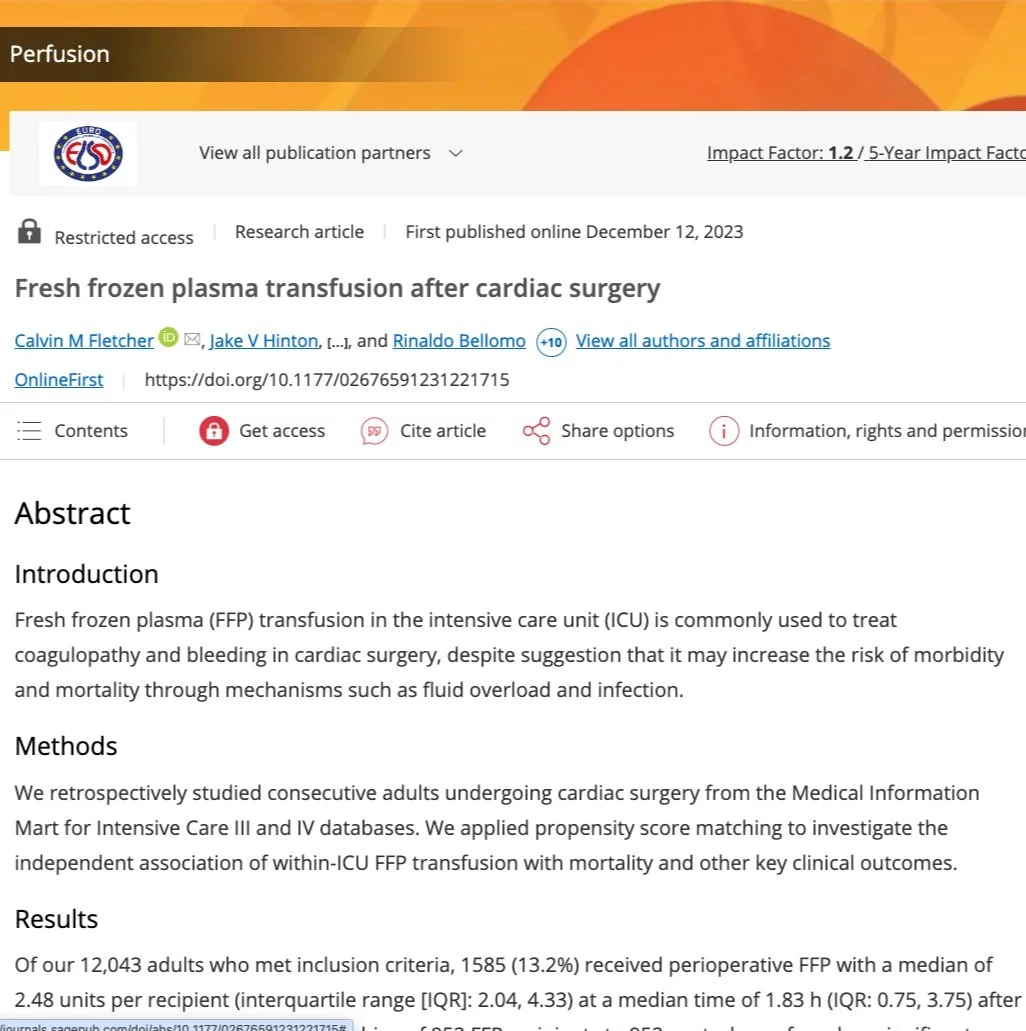
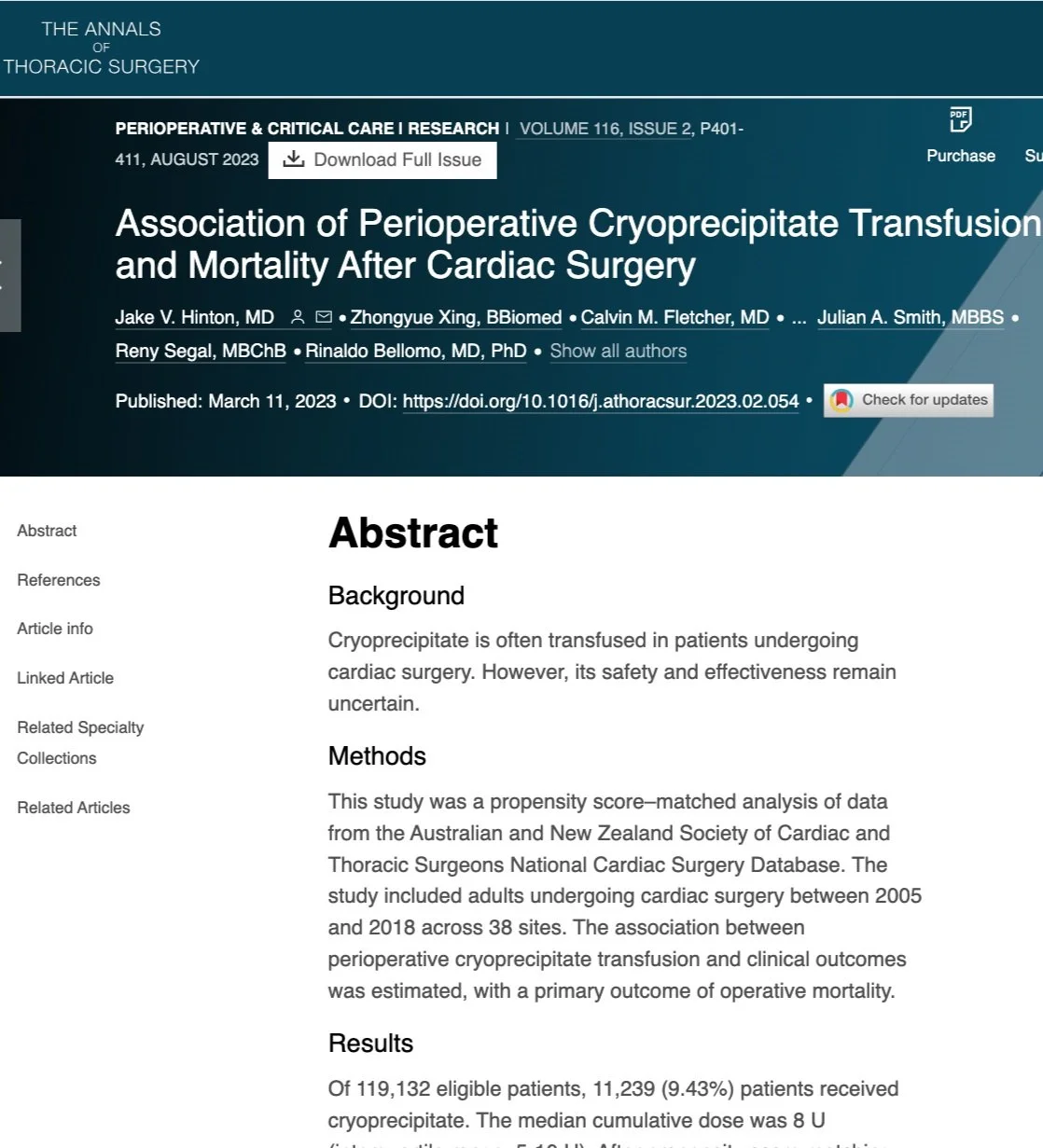
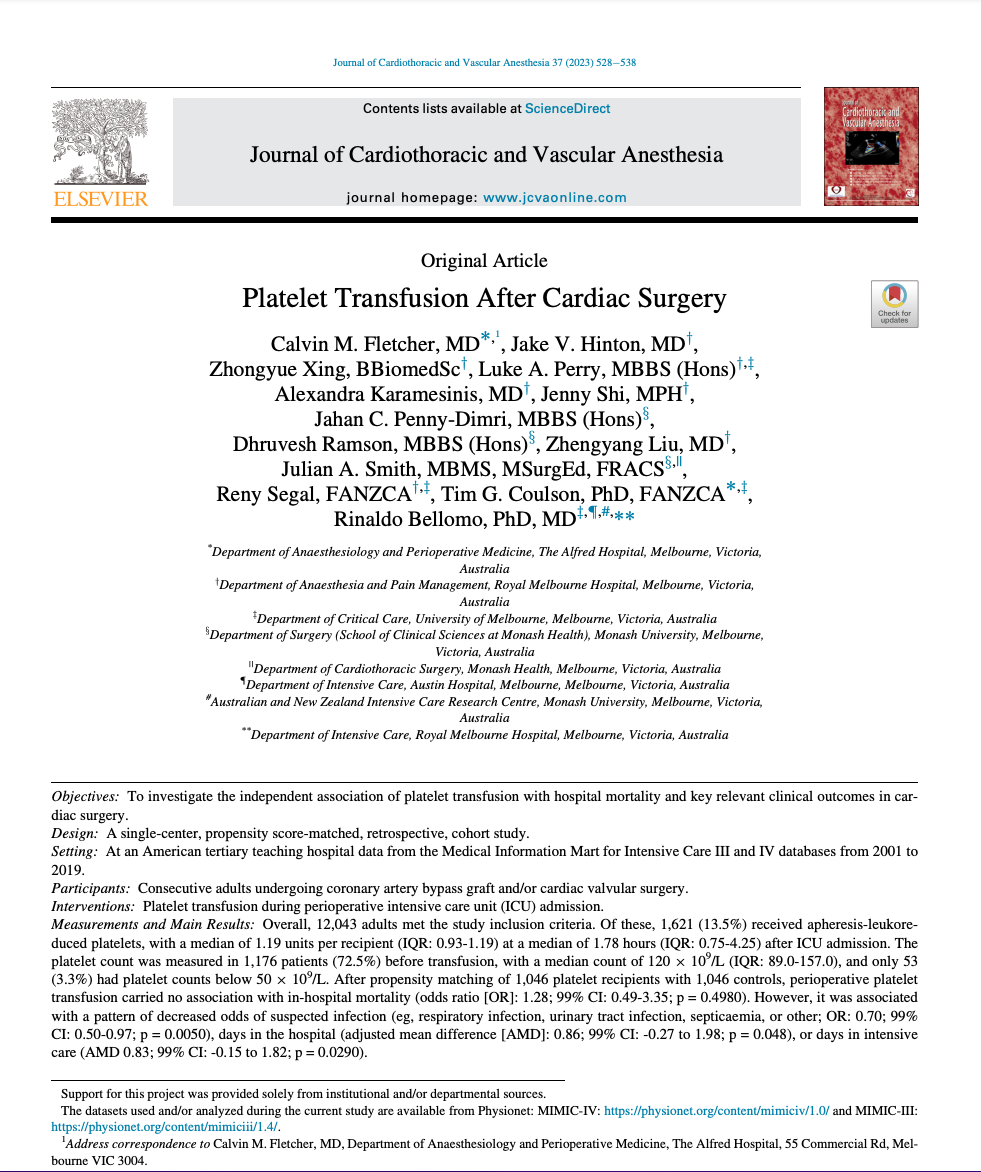
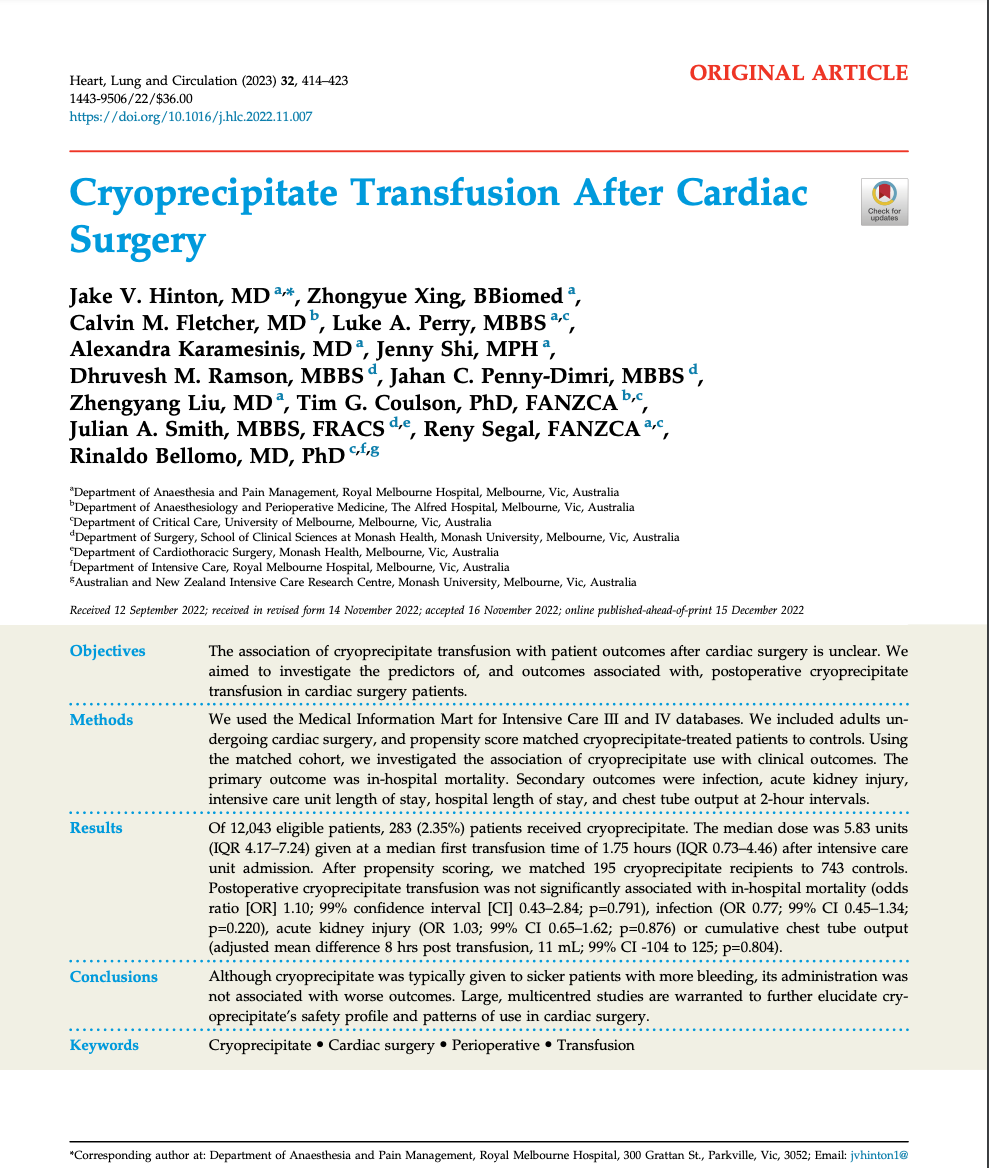
While it is still early days, our students have already been published 11 times in top anaesthesia journals like the British Journal of Anaesthesia and Anaesthesia & Analgesia. Several of our papers have had editorials written about them and attracted numerous citations. Have a browse through below and click any that catch your interest.


Ready to jump in?